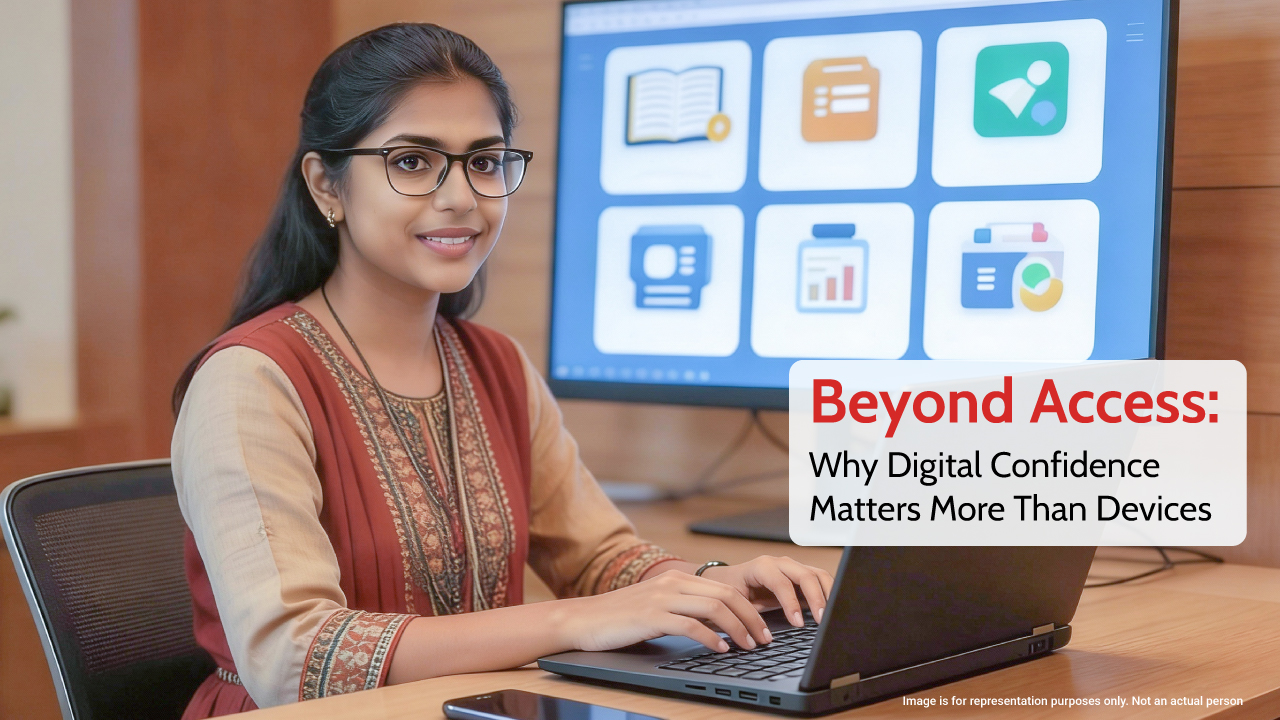
The original computer was introduced as a symbol of progress, placed in homes and communities with the promise of transforming lives. It represented hope, modernity, and equal opportunity for all. The internet was expected to bridge gaps and make education and growth accessible everywhere.
However, over time, it became clear that access alone was not enough. For many families, the device remained a symbol rather than a tool for change. People gathered around screens with curiosity but also hesitation, unsure of how to interact with unfamiliar technology.
The language of technology felt complex, and its logic seemed difficult to grasp. Many feared pressing the wrong button or being judged for not knowing enough. What began as excitement slowly turned into uncertainty, and sometimes even embarrassment.
While the arrival of digital devices was celebrated, the real challenge began after the initial excitement faded. Access marked the beginning of a much deeper journey, one that required confidence, understanding, and continuous learning.
Even when basic skills were learned, such as turning devices on or opening applications, many individuals struggled to go further. Tasks like filling online forms, using job platforms, or attending virtual classes felt overwhelming. Technology often appeared more like a barrier than an opportunity.
Digital Literacy vs Digital Confidence: Understanding the Key Differences and Impact
The digital world can feel especially intimidating for women and girls. It is not just about learning skills but also about feeling permitted to explore, ask questions, and participate. Many grow up believing that technology is not meant for them, which limits their engagement.
Confidence develops through repetition, supportive environments, and encouragement. When digital tools are connected to real-life needs such as healthcare access, financial management, education, or entrepreneurship, they become more meaningful and easier to adopt.
From Dependency to Agency: Achieving True Digital Empowerment
True digital empowerment occurs when individuals move from dependency to independence. It is the shift from needing help to confidently navigating technology on their own and solving problems independently.
Digital confidence also plays a protective role. In a world filled with misinformation, scams, and online risks, individuals must learn to question, verify, and stay safe. Empowerment is not just about access, it is about using technology wisely and securely.
SivaShiksha’s Role
SivaShiksha approaches digital empowerment as a human-centered journey. It focuses on creating environments where curiosity is encouraged, mistakes are accepted, and confidence grows alongside skills.
By working with schools, women’s groups, and community organizations, SivaShiksha delivers programs in digital literacy, financial awareness, and online safety. These initiatives help learners connect technology to everyday life.
Through step-by-step learning and community support, individuals begin to overcome fear and develop independence. SivaShiksha emphasizes agency, helping people use technology to achieve their own goals.
By combining practical learning with emotional support, SivaShiksha ensures that digital empowerment goes beyond access to build confidence, independence, and long-term growth.