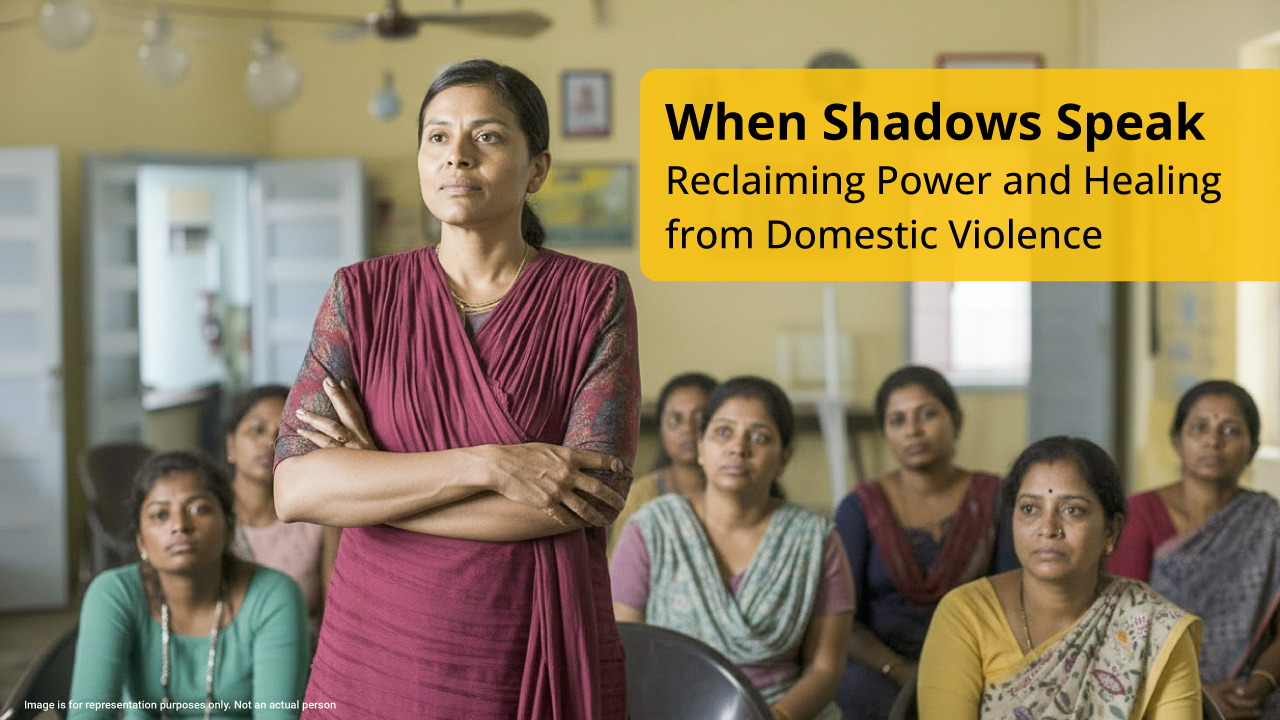
Domestic violence may begin very subtly to the extent that most survivors are not aware of the hazard until it becomes a way of life. It can start with the small guile, emotional abuse, or monetary boundaries and evolve into constant fear, loneliness, and trauma. In most societies, what should be cozy places, homes, turn to environments of conflict, and what should be encouraging to the residents is the source of anxiety. Stories of resistance, strength, and recovery emerge even in these challenging times. Speaking out is courageous, and it helps victims regain their identity, dignity, and future.
Domestic violence becomes even greater when it remains secret. Stigma and fear of being judged tend to make the survivors keep their experiences a secret. It may be challenging to speak out, particularly for women who are conditioned to suffer rather than challenge. They fear that their suffering will not be taken into account, and worse, that their pangs will be blamed on them. Others remain silent to save their children, maintain their economic gains, or stay secure. No, silence does not safeguard; it holds in. The process of healing starts when the truth is uttered, even in a whisper. Although our society is transforming gradually, there is an urgent need to develop safe and caring environments for survivors.
Understanding the Domestic Violence Survivor Journey
The history of each survivor is individual. Others experience emotional abuse (e.g., gaslighting, frequent criticism, or being pushed away), and this may reduce their confidence. Others are physically abused, threatened, or monitored. Others are also faced with financial abuse, whereby an individual uses the money as a weapon to exercise control. Despite these differences, the survivors share a desire to be free, dignified, and at peace. Healing is trauma confrontation, recognition of your personal value, and reconstruction of what has been destroyed. Friend support, counseling, community groups, or online support can be invaluable. Their assistance makes the best impression: you are not the only one.
Imagine a woman who gave silent smiles, yet she was in pain. She has spent years in fear, day after day, influenced by anger and frozen in cold silence. It was not possible to leave, as she had no savings, no emotional support, and no hope that life outside would be more beautiful. One night, after another night of nocturnal tears, she ended up confiding in a workmate. That was the first step in restoring her power, as she spent several minutes in that conversation listening without evaluating. She received assistance; she joined a support group and gradually restored her life. It is not an uncommon story with her. But it demonstrates the extent to which it can change as soon as one individual creates room in their life to be honest.
The Path of Healing After Domestic Violence
Healing is not an easy way. The survivors tend to pass through the stages of denial, anger, grief, and hope. Counseling makes them notice the ways of abuse. Somatic healing recreates the relationship between the body and mind. Writing, movement activities, or art are some creative activities that allow the expression of feelings that are difficult to put into words. Community support fosters a sense of belonging, which is critical to restoring trust. Healing does not mean forgetting the past, but instead learning to live beyond it. The scars are still left, but they do not make the story.
Breaking the silence should also be directed toward prevention. The cycle can be prevented by educating youth on healthy relationships, consent, emotional control, and respect. Education at the family and community level can make the population more aware of the early signs of abuse. Empowering legal and social support systems also enables survivors to pursue justice without fear. Domestic violence is not a family affair, but all people are impacted by it. When everyone faces a problem, they should all contribute to solving it.
The Role of SivaShiksha: Empowering Domestic Violence Survivors
These stories revolve around SivaShiksha, which provides a secure, nurturing path for people who have survived and helps them rebuild their lives. SivaShiksha provides the victims with opportunities to talk openly through awareness campaigns, community support, and skill-building workshops. We have an organization that is stable and determined, whose support is achieved one step at a time until it is firm and permanent. SivaShiksha assists survivors in escaping and rebuilding their lives by focusing on emotional well-being, education, and job training. This piece of work reinvigorates faith, reinforces the self, and makes individuals rejoin society with more strength. SivaShiksha is the silent power that transforms silence into empowerment and gives survivors a purpose to their pain in all the stories of healing.