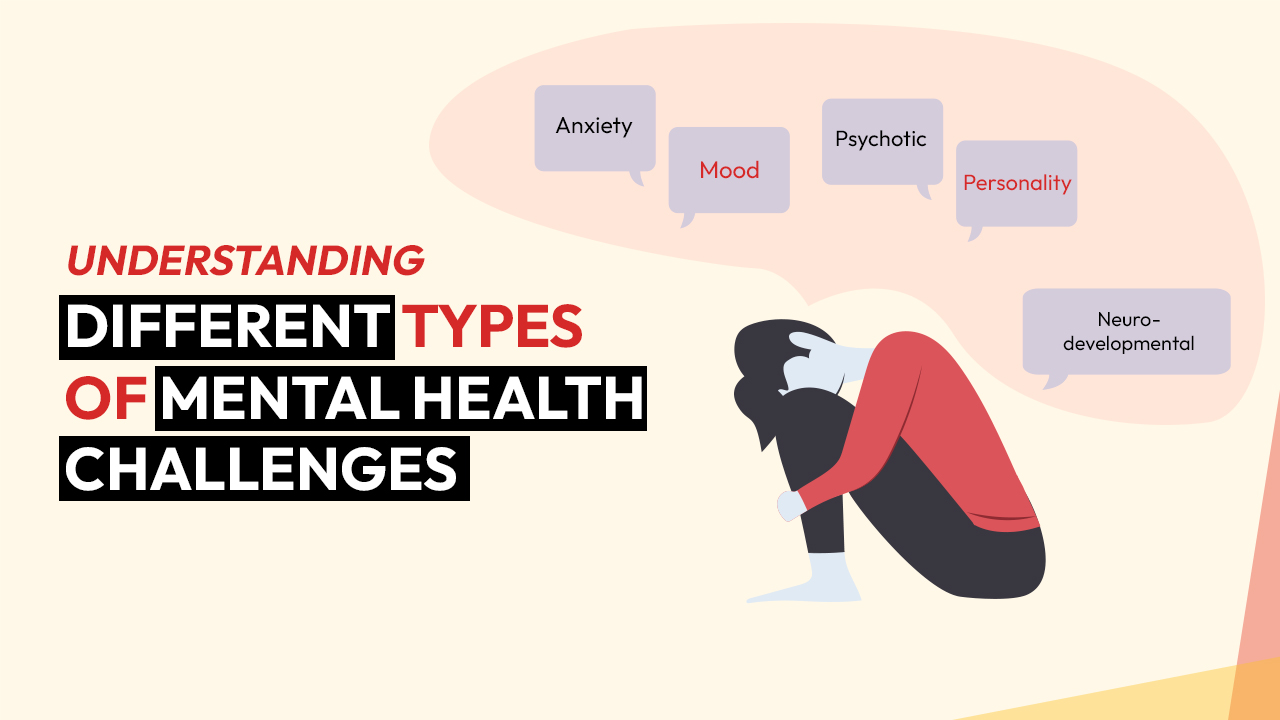
Mental health is a vital component of our overall well-being, shaping how we think, feel, and behave. Yet, despite growing awareness, mental health challenges are often misunderstood or oversimplified. Understanding the different types of mental health challenges helps us move beyond stereotypes, recognize symptoms early, and offer empathy and support to those who need it.
Anxiety
Anxiety disorders are among the most common mental health conditions worldwide. They involve persistent, excessive fear or worry that interferes with daily life. While it’s normal to feel anxious before an exam or a big event, anxiety disorders go beyond situational stress.
Types include Generalized Anxiety Disorder (GAD), characterized by chronic worry about everyday matters; Panic Disorder, marked by sudden panic attacks; and Phobias, where specific objects or situations trigger intense fear. Social Anxiety Disorder involves fear of being judged or embarrassed in social settings.
Mood
Mood disorders affect emotional states, often causing intense and prolonged feelings of sadness or extreme mood fluctuations.
Depression is one of the most recognized mood disorders, leading to persistent sadness, loss of interest, and fatigue. On the other hand, Bipolar Disorder involves alternating periods of depression and mania, episodes of high energy, impulsivity, or euphoria.
These conditions can significantly affect one’s ability to function but are highly treatable with therapy, medication, and support.
Psychotic
Psychotic disorders involve distorted thinking and awareness, making it difficult to distinguish between what’s real and what’s not.
The most well-known of these is Schizophrenia, characterized by hallucinations, delusions, disorganized speech, and impaired cognitive functioning. Contrary to popular myths, schizophrenia does not mean having “multiple personalities”; it’s a severe condition that requires medical and psychological care.
Early intervention can help manage symptoms and improve quality of life.
Personality
Personality disorders are long-term patterns of behavior, emotion, and thought that differ significantly from cultural expectations. They can make relationships and daily functioning challenging.
Examples include Borderline Personality Disorder (BPD), where individuals experience emotional instability and fear of abandonment, and Narcissistic Personality Disorder (NPD), marked by an inflated sense of self-importance and a deep need for admiration.
Obsessive-Compulsive Personality Disorder (OCPD) involves rigidity, perfectionism, and control-oriented behavior, different from Obsessive-Compulsive Disorder (OCD), which is an anxiety disorder.
Eating and Neurodevelopmental
Eating disorders such as Anorexia Nervosa, Bulimia Nervosa, and Binge-Eating Disorder revolve around unhealthy relationships with food, body image, and self-worth. They often coexist with anxiety or depression and require both medical and psychological support.
Neurodevelopmental disorders, like Autism Spectrum Disorder (ASD) and Attention-Deficit/Hyperactivity Disorder (ADHD), typically begin in childhood and affect behavior, learning, and social skills.
With early intervention and support, individuals can lead fulfilling and productive lives.
Building Awareness and Compassion
Every mental health disorder affects people differently, there is no one-size-fits-all experience. The key to addressing these challenges lies in awareness, empathy, and access to care.
By understanding the diversity of mental health conditions, we can replace judgment with compassion, break down stigma, and create environments where seeking help is seen as strength, not shame.