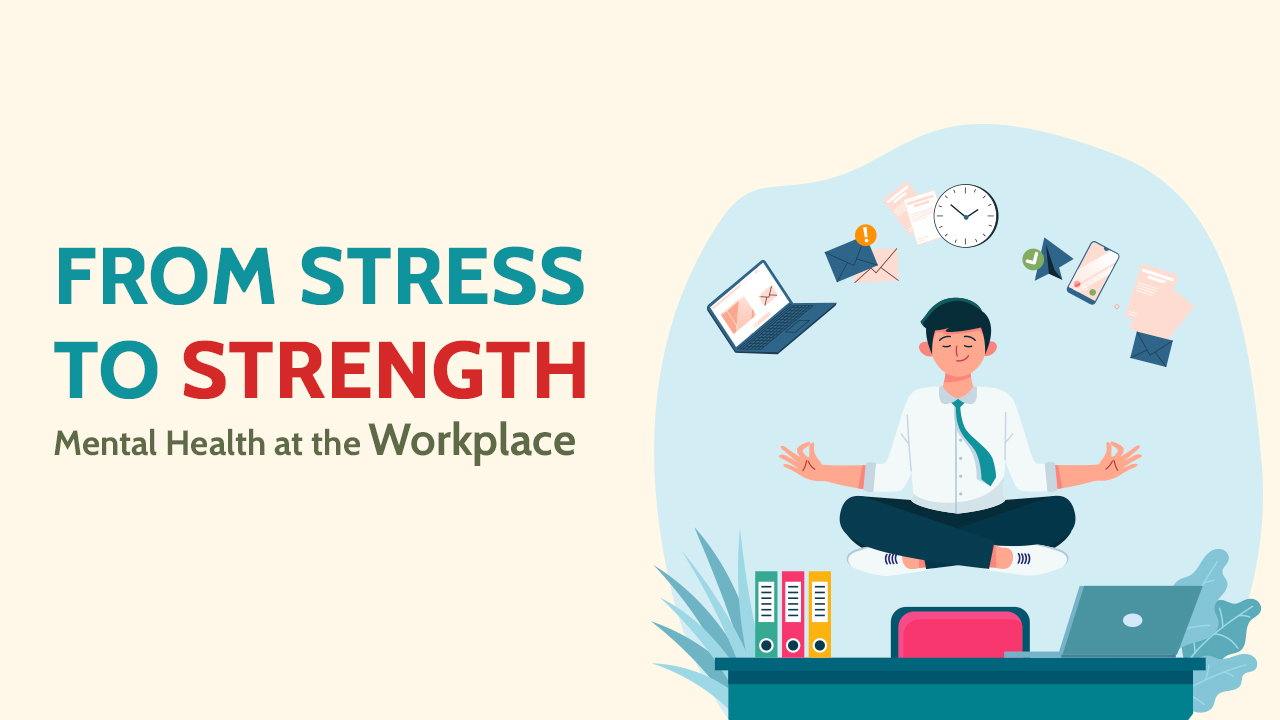
The modern-day workplace has become a hectic environment where stress is everyday. Among the factors that will easily push people into burnout are pressure to perform, communication, deadlines, and multitasking. The debate, however, is evolving, and more and more organizations are beginning to understand that mental health is not a personal problem, but a work problem. Stress must be transformed into strength by creating awareness, empathy, and system change.
Understanding the Financial Impact of Workplace Stress on Employee Mental Health
Workplace stress affects employees and the entire organization. It may create anxiety, depression, fatigue, and loss of involvement. Individuals subjected to daily stress frequently feel unmotivated, less productive, and miss work. Research indicates that stress-induced absences incur high annual costs. It is not just a matter of reducing work to solve this problem. The actual change is attained by establishing an environment where individuals feel secure and appreciated at work.
Fostering a Transparent Workplace Culture for Mental Health Awareness
The first step to a healthy workplace is open conversations. When leaders discuss mental health, employees feel more comfortable doing so; promoting such discussions, providing advice, and even taking breaks are all beneficial. Small measures, such as frequent check-ins or mental health days, demonstrate that well-being is an essential priority over performance.
Empathy is essential. Managers build trust when they become flexible and listen to their team. This faith helps individuals to be stronger. In a conducive work environment, workers are more engaged, imaginative, and committed.
Workplace Mental Wellness Tips for Employees and Organizations
Work-Life Balance: Promote employees to separate their work from their personal time. Regular work breaks and other time-offs will help prevent burnout and maintain high productivity.
Mental Health Resources: Provide counseling, workshops, or Employee Assistance Programs (EAPs). It makes these resources readily available, showing employees that their well-being is important.
Training on Leaders: Provide emotional intelligence and mental health awareness training to managers. Well-prepared leaders can identify early signs of stress and help their teams address challenges more effectively.
Peer Support: Establish buddy programs or staff mental health teams. Such networks make people feel included and provide a safe space where they can discuss their issues.
Well-being: Incentivize and compensate healthy behaviors and performance at work. This will encourage employees to maintain good habits and contribute to a healthier workplace culture.
Building Resilience: Turning Workplace Stress into Strength
Stress isn't always the enemy. When done correctly, it may stimulate growth, innovation, and hardiness. Therapy, mindfulness practices, and open communication can help employees cope with stress, so they view it as a tool for self-awareness rather than a factor that leads to burnout. It is not intended to remove stress, but instead to help people develop coping mechanisms that enable them to get through it.
Shared Responsibility for Mental Health in the Workplace
Employers, leaders, and employees have a general responsibility to enhance mental health in the workplace. It is the process of creating a culture where it is acceptable to be at your best at all times. Each time organizations invest in the emotional well-being, they not only produce healthier workers but also better teams, enhanced performance, and a more humane work culture.
Workplaces can be transformed into places where people not only work but also develop and turn stress into a source of strength.
How SivaShiksha Advances Mental Health in the Workplace
SivaShiksha assists individuals and organizations in promoting mental health in the workplace. We offer workshops, professional guidance, and best practices to equip employees and leaders with the resources they need to manage stress. Openness, resilience, and empathy are promoted at all levels through our programs. As a current and future leader, SivaShiksha helps create workplaces where mental health is prioritized, stress is under control, and people can flourish.
By prioritizing mental health and implementing effective strategies, organizations can boost productivity, reduce absenteeism, and foster employee loyalty. A healthy workplace empowers individuals to thrive both professionally and personally, creating a positive environment where everyone can contribute their best. Investing in mental well-being today leads to long-term success for both employees and the business.