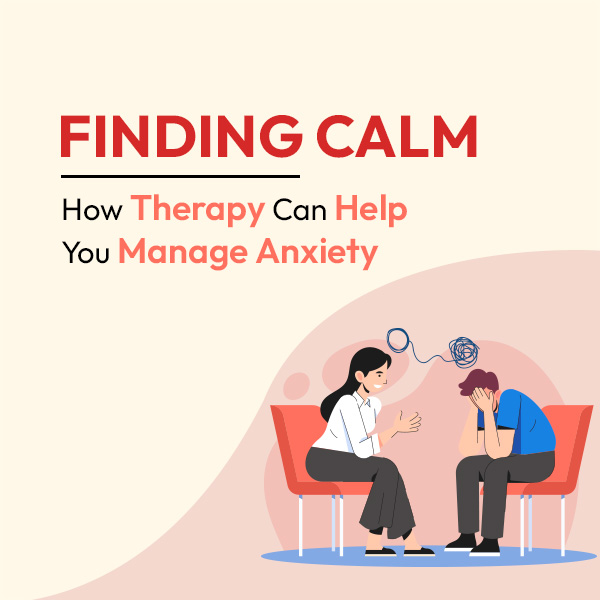
Anxiety can feel like an endless storm, restless thoughts, tightness in the chest, and a sense of unease that just won’t fade. While everyone feels anxious occasionally, for many, it becomes a constant companion that disrupts work, relationships, and peace of mind. The good news? Therapy offers proven ways to understand and manage anxiety so it no longer controls your life.
Understanding Anxiety
Anxiety often shows up as persistent worry, fear, or physical symptoms like a racing heart or trouble sleeping. It can stem from stress, trauma, perfectionism, or even genetics. Therapy helps you identify what’s driving your anxiety and gives you tools to respond more calmly and effectively.
Cognitive Behavioral Therapy (CBT): Reframing the Mind
One of the most effective approaches for anxiety is Cognitive Behavioral Therapy (CBT). It works by helping you recognize and challenge anxious thoughts. For example, if you often think, “I’ll fail at this,” CBT enables you to question that belief and replace it with something more realistic, like “I can prepare and do my best.”
Through exercises and guided reflection, CBT teaches you to rewire unhelpful thinking patterns and gradually face situations that trigger fear, reducing avoidance and building confidence.
Mindfulness and Acceptance
Mindfulness-based therapies, such as Acceptance and Commitment Therapy (ACT) or Mindfulness-Based Stress Reduction (MBSR), focus on observing your thoughts without judgment. Instead of fighting anxiety, you learn to sit with it, accepting it as a temporary emotion rather than a permanent state.
Deep breathing, meditation, and grounding techniques help bring awareness to the present, easing mental and physical tension.
Emotional Awareness and Healing
Sometimes, anxiety stems from unresolved emotions or past experiences. Psychodynamic therapy helps uncover these deeper roots, allowing you to process and release emotional blocks.
As you become more self-aware, anxiety often lessens naturally because your mind and body no longer carry unacknowledged stress.
A Path Toward Peace
Therapy doesn’t make anxiety vanish overnight, but it helps you change your relationship with it. You begin to recognize that anxiety is a signal, not a sentence.
With patience, practice, and professional guidance, you can move from constant worry to calm resilience, rediscovering peace and confidence along the way.